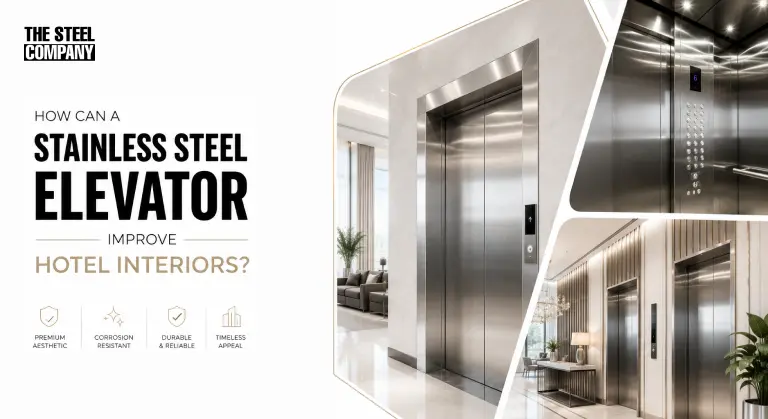
A hotel elevator may only take guests a few floors, but its interior can still shape how they experience the property. Guests move through the lobby, reception, corridors and other designed spaces before they step inside the lift.
So, the elevator should not feel like a separate functional area. Its materials, colours and finishes should work with the rest of the hotel.
This is where a stainless steel elevator solutions can add both visual and practical value. Stainless steel gives architects and interior designers a flexible surface that can be finished in different textures, colours and patterns. It can also be cut, formed and fabricated to suit the cabin design.
Instead of treating the elevator as only a means of transport, hotels can use it as another part of the interior design.
Why does stainless steel work well in hotel elevators?
The elevator in a hotel is subject to high traffic. Guests with luggage board the elevator, and employees transport various items. Hence, the material used for the cabin should have the capacity to withstand such traffic yet appear decent.
Stainless steel is ideal in this case because it not only looks good but functions effectively. Moreover, if the appropriate grade and finish are employed, then the surface becomes easy to clean.
For hotel interiors, designers can choose from finishes such as:
- Mirror
- Hairline
- Brushed
- Satin
- Vibration
- Etched
- Embossed
- PVD-coloured finishes
This range gives designers more room to create an elevator interior that matches the character of the hotel rather than using the same finish everywhere.
How can the finish change the elevator's appearance?
Once stainless steel is selected, the surface finish becomes an important part of the design. A polished mirror surface creates a different feeling from a soft hairline or brushed finish.
A mirror finish can reflect light and make a compact cabin feel brighter. A hairline finish gives the walls a more controlled, linear appearance. Satin and vibration finishes can offer a softer visual effect where a highly reflective surface may feel too strong.
The choice should also consider how the finish will look under the hotel’s lighting.
| Finish | Interior effect | Suitable hotel style |
|---|---|---|
| Mirror | Bright and highly reflective | Luxury and contemporary |
| Hairline | Clean linear texture | Modern and minimal |
| Satin | Soft and understated | Elegant and calm |
| Vibration | Textured and diffused | Contemporary and high-traffic areas |
| Etched | Decorative and custom | Branded or feature interiors |
| Embossed | Stronger surface texture | Statement interiors |
As a result, the same stainless steel material can create very different visual results depending on the selected finish.
A richer look with PVD colours
The finish can take the design a step further by introducing colour into the elevator.
The Steel Company offers Ti-PVD finishes in colours such as gold, rose gold, bronze, black, champagne and blue. These options allow designers to pick up selected colours already used across the hotel interior.
For instance, champagne can work well with warm lighting, neutral walls and natural materials. Bronze can complement wood and stone, while black can create a stronger contrast in a contemporary hotel.
This gives hotel elevator design more freedom without requiring a completely different material.
Can textured stainless steel make an elevator more distinctive?
Colour is only one way to give the cabin more character. Texture can also change how the surface looks and responds to light.
Water ripple and hammered stainless steel sheets can create more visual depth than a plain metal surface. Their changing patterns can become a feature inside the cabin without adding another decorative material.
A water ripple finish, for example, can create movement across elevator panels as light changes during the day. A hammered finish gives the surface a more tactile and decorative appearance.
These finishes can work particularly well on selected panels rather than every surface.
That approach keeps the design interesting without making the cabin feel visually crowded.
How does custom fabrication improve elevator interior design?
Once the finish is selected, the material still needs to fit the actual elevator cabin. This is where custom fabrication becomes important.
Stainless steel sheets can be cut, bent, formed and finished according to project drawings. CNC cutting can help create accurate panel shapes, while laser cutting and etching can add patterns, logos or other details.
Custom fabrication can be used for:
- Wall and ceiling panels
- Door surrounds
- Control panel surrounds
- Decorative trims
- Corner details
- Feature panels
- Custom patterns and branding
This allows the material to follow the design rather than forcing the design to fit a standard sheet.
The Steel Company also offers custom profiles and trims in finishes such as hairline, brushed, satin and PVD colours. These can help create cleaner transitions between panels and other interior materials.
How can a stainless steel elevator connect with the rest of the hotel?
A well-designed elevator should feel like part of the hotel, not a separate box placed between floors.
The easiest way to create this connection is to repeat selected materials, colours or finishes from nearby spaces. A bronze elevator detail can relate to bronze lighting or furniture accents in the lobby. A black stainless steel panel can echo black door frames or signage.
This small connection can make the overall interior feel more considered.
For example:
The elevator does not need to copy the lobby exactly. It only needs enough visual connection to make the transition feel natural.
What should hotels consider before choosing the finish?
The visual effect is important, but hotel elevators also need to work well under daily use. Guests may touch the walls, move luggage through the cabin and leave fingerprints on frequently handled areas.
Therefore, the finish should be selected according to both appearance and the expected use of the elevator.
Hotels should consider:
- The amount of daily traffic
- Cleaning requirements
- Lighting conditions
- Fingerprint visibility
- Surface texture
- Existing interior materials
- Required colour and finish consistency
- Installation and fabrication details
The grade of stainless steel should also match the project conditions. The Steel Company works with grades including SS 201, SS 304 and SS 316, depending on the application and environment.
For a hotel project, the material specification should be confirmed with the fabricator and project team before production.
Why does detailing matter in a hotel elevator?
A large stainless steel panel may create the main visual effect, but smaller details often determine whether the finished cabin looks properly designed.
Clean joints, aligned grain direction, neat corners and well-finished edges can make a noticeable difference.
Stainless steel profiles can also be used around panel edges, transitions and other areas where a sharp finish is required. In a hotel, these details matter because guests see the elevator at close range.
A carefully fabricated cabin can therefore look more complete without relying on excessive decoration.
Final thoughts
A hotel elevator has a practical job, but its interior can do much more than that. With the right material and fabrication approach, it can become part of the hotel’s visual identity.
A stainless steel elevator gives designers several ways to achieve this. Mirror, hairline, satin, vibration, textured and PVD finishes can create different moods. Custom fabrication can then bring those finishes into panels, trims, surrounds and feature details.
Most importantly, the elevator can be designed around the hotel rather than treated as an isolated space.
For hotels looking for a durable and design-focused finish, stainless steel offers the flexibility to create an elevator interior that feels consistent with the wider property. With thoughtful elevator interior design and a coordinated hotel elevator design, even a short journey between floors can become part of the guest experience.
FAQs
Is stainless steel suitable for luxury hotel elevators?
Yes. Stainless steel can be finished with mirror, hairline, satin, textured and PVD-coloured surfaces. Gold, bronze, champagne and black can create a more luxurious appearance.
Which stainless steel finish works best for a hotel elevator?
There is no single finish for every hotel. Hairline and satin can suit modern interiors, while mirror and PVD finishes can create a more decorative look.
Can stainless steel elevator panels be customised?
Yes. Stainless steel can be CNC cut, bent, welded, polished and laser etched to suit project drawings and specific design requirements.
Can PVD stainless steel be used inside hotel elevators?
Yes. PVD stainless steel can be used for elevator panels, trims, door surrounds and other visible decorative elements.
Can textured stainless steel be used for elevator interiors?
Yes. Water ripple and hammered stainless steel can be used for feature panels when a hotel wants more texture and visual interest.


